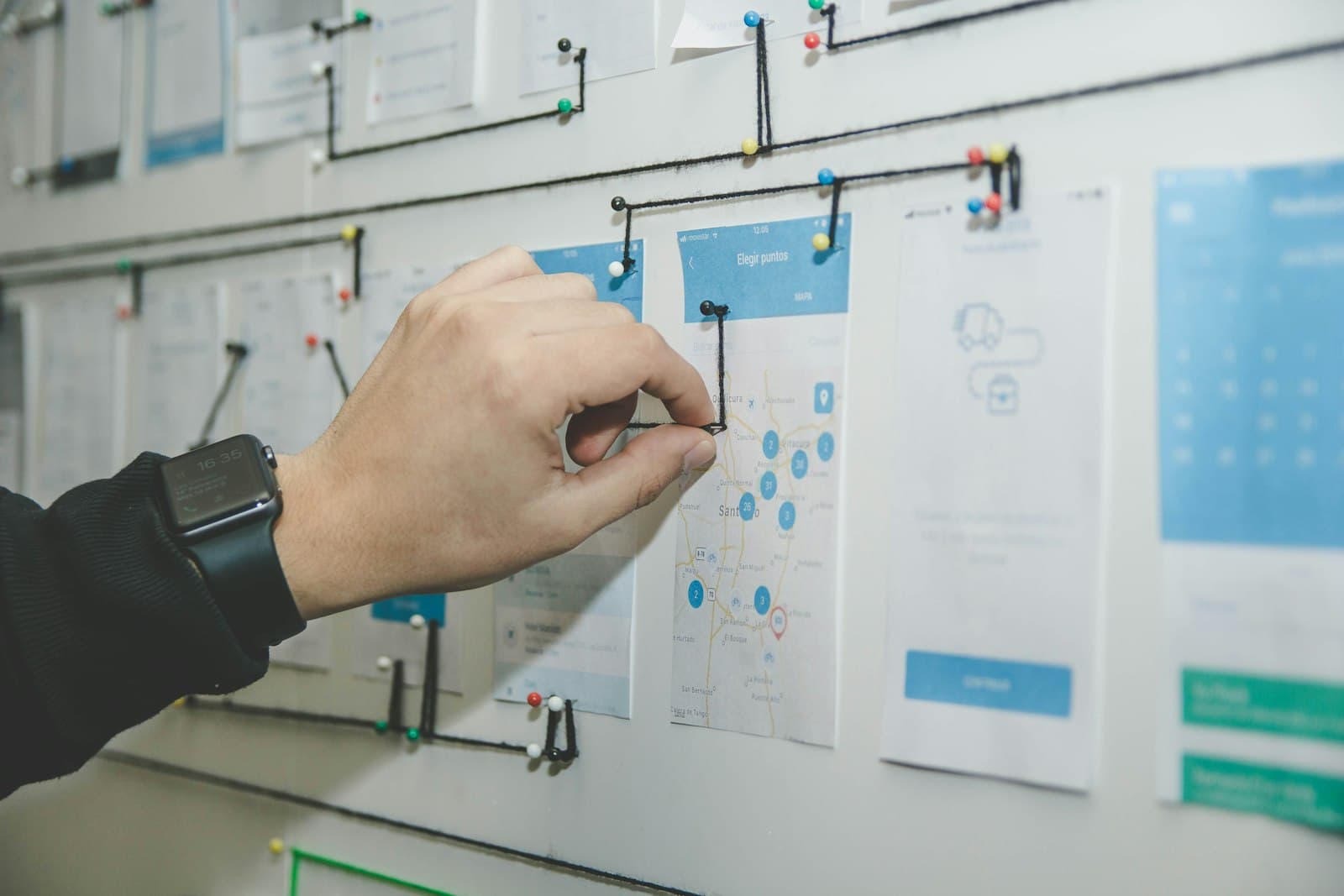
Authentication & roles
Secure sign-in, permissions, and tenant separation: who can see and do what.
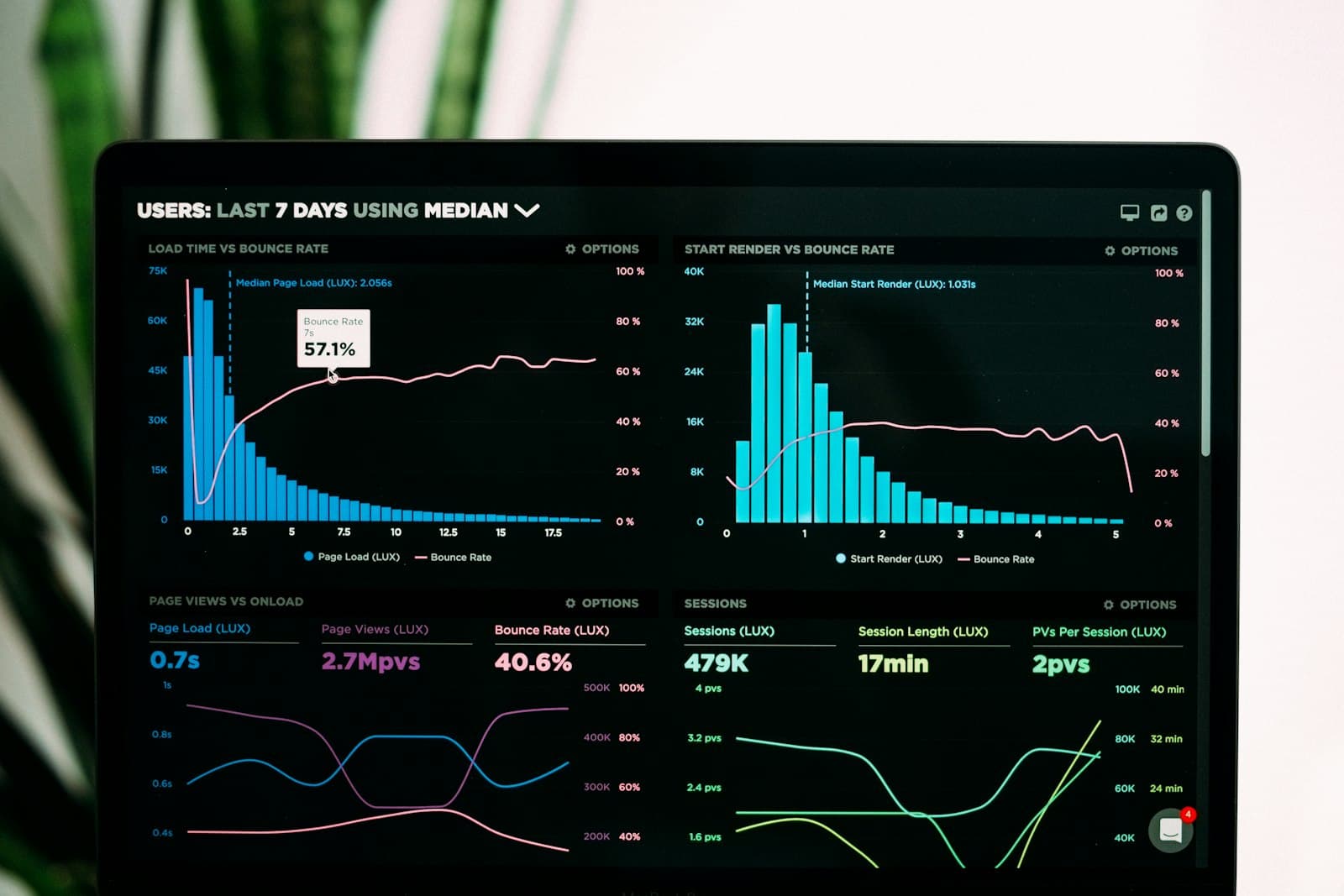
Login, roles, dashboards, and workflows: secure, scalable, and built for real users.
Overview
When spreadsheets and email threads aren't enough anymore.
4–8 wks
100%
Next.js
Client portals bundle what otherwise runs across email, phone, and scattered tools: documents, status, orders, support tickets, contracts, all in one place, for the right people with the right permissions. That saves time on both sides and looks professional.
Many companies eventually notice their processes no longer scale: email requests get lost, spreadsheets become unmanageable, customers call because they can't see a status. A portal solves that, if it's built right.
I build secure portals with authentication, role models, admin areas, and self-service features. Focus is clear UX for end users and maintainable architecture for your team. No demo interfaces that fall apart with the first real customer.
Whether a B2B client portal for orders and documents, a partner dashboard for sales partners, or an internal tool for employees: data models, API integrations, and scalability are planned from the start, not when the first customer shows up.
Security isn't an add-on: HTTPS, secure sessions, role checks on server and client, GDPR-compliant data storage. Depending on requirements, I add two-factor authentication, audit logs, and granular permissions.
On an intro call we clarify requirements, integrations, and a sensible MVP scope, so you go live fast and extend iteratively. Transparent, with a fixed price or day rate.
“Built for real use, not just demos.”
Use cases
When spreadsheets and email threads aren't enough anymore.
Secure sign-in, permissions, and tenant separation: who can see and do what.
KPIs, status, and open tasks at a glance, personalized by role.
Requests, uploads, changes, and orders, without manual email ping-pong.
Store, share, and version contracts, invoices, and reports securely.

Client portals bundle what otherwise runs across email, phone, and scattered tools: documents, status, orders, support, in one place, for the right people with the right permissions.
I build secure portals with authentication, role models, admin areas, and self-service features. Focus is clear UX for end users and maintainable architecture for your team.
Whether B2B client portal, partner dashboard, or internal tool: data models, API integrations, and scalability are planned from the start, not when the first customer shows up.
Deliverables
Modular, matched to your process.
Secure sign-in, permissions, and tenant separation: who can see and do what.
KPIs, status, and open tasks at a glance, personalized by role.
Requests, uploads, changes, and orders, without manual email ping-pong.
Store, share, and version contracts, invoices, and reports securely.
Connect CRM, ERP, payment, or custom backends. Data flows automatically.
Internal management, user administration, and analytics for your team.
Process
Three steps from first call to shipped result, transparent and without agency overhead.
Authentication, HTTPS, role checks, and secure session handling are standard. Depending on requirements I add 2FA, audit logs, and GDPR-compliant data handling.
Yes. Via REST or GraphQL APIs I integrate existing systems, or build a lean backend if none exists yet.
Recommended. We define the smallest sensible scope, go live, and extend iteratively instead of building in silence for months.
Hosting on Vercel, AWS, or your infrastructure, including handover and documentation. Maintenance and further development can be agreed long term.
It depends on scope, integrations, and number of users. A lean MVP starts well below a full version with all modules. After the intro call you get a transparent quote.
That's exactly what it's for. Self-service features, clear navigation, and understandable forms reduce support requests and give your customers a sense of control.

Describe the use case briefly, and I'll reply with an architecture proposal and next step.